Design Tools
Countertop Edge Types & Profiles
Eased · Beveled · Bullnose · Ogee · Dupont · Waterfall · Laminated
The edge profile is the finishing detail that defines how your countertop reads from across the room — and how it feels under your hand every day. This guide covers every profile we fabricate at Precision Granite Works, with honest guidance on which one is right for your project.
Why Edge Profile Matters
The Detail That Defines the Countertop
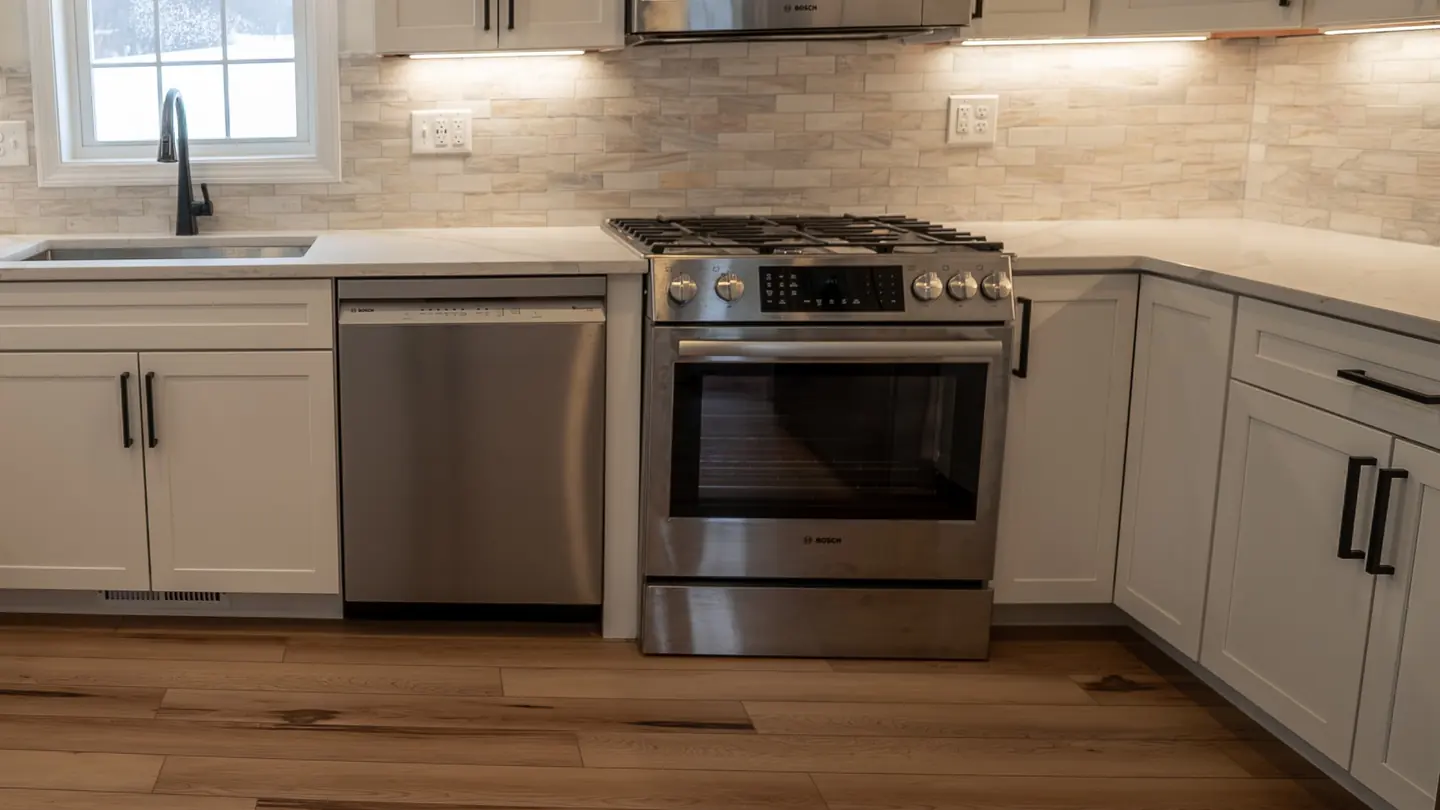
Your edge profile is one of the few countertop details that's visible from across the room — it creates a silhouette along the entire length of your counter and island. It's also the surface you touch constantly: every time you lean against the counter or pull something off the edge, that profile is under your hand. The right choice depends on your kitchen style, how you use your kitchen, and what you want your countertop to say.
All profiles below are available in any natural stone (granite, marble, quartzite, soapstone) and engineered quartz. We recommend seeing and touching actual edge samples in your selected stone before making a final decision — visit our showroom in Epsom, NH.
Edge Profile Guide
All Edge Types We Fabricate
Eased
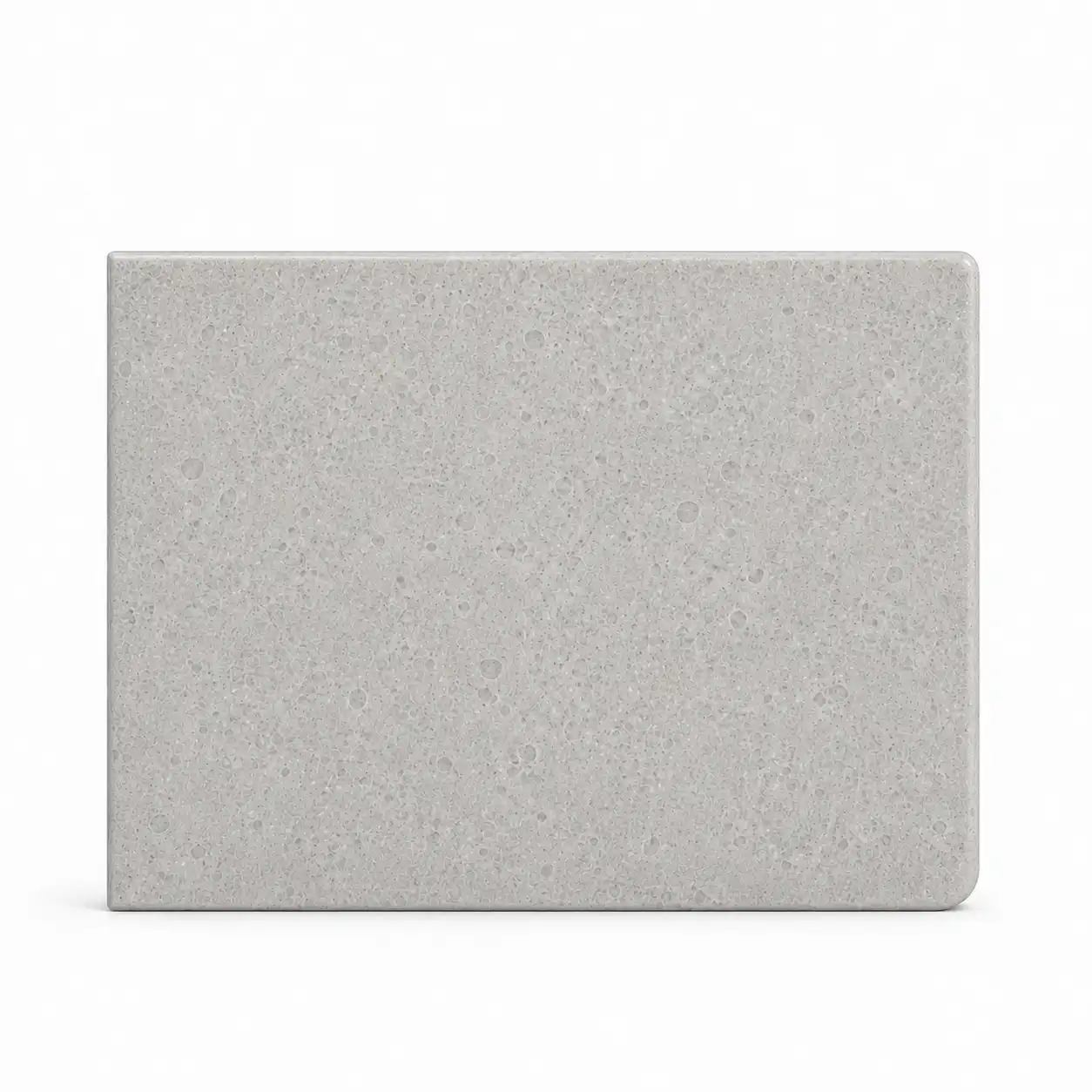
(Straight Edge)Most commonThe eased edge is the clean, contemporary standard — a straight 90° profile with slightly softened corners to remove any sharpness. It's the most versatile edge available: equally at home in modern, transitional, and farmhouse kitchens. It shows the full thickness of the stone and never competes with other design elements.
Beveled
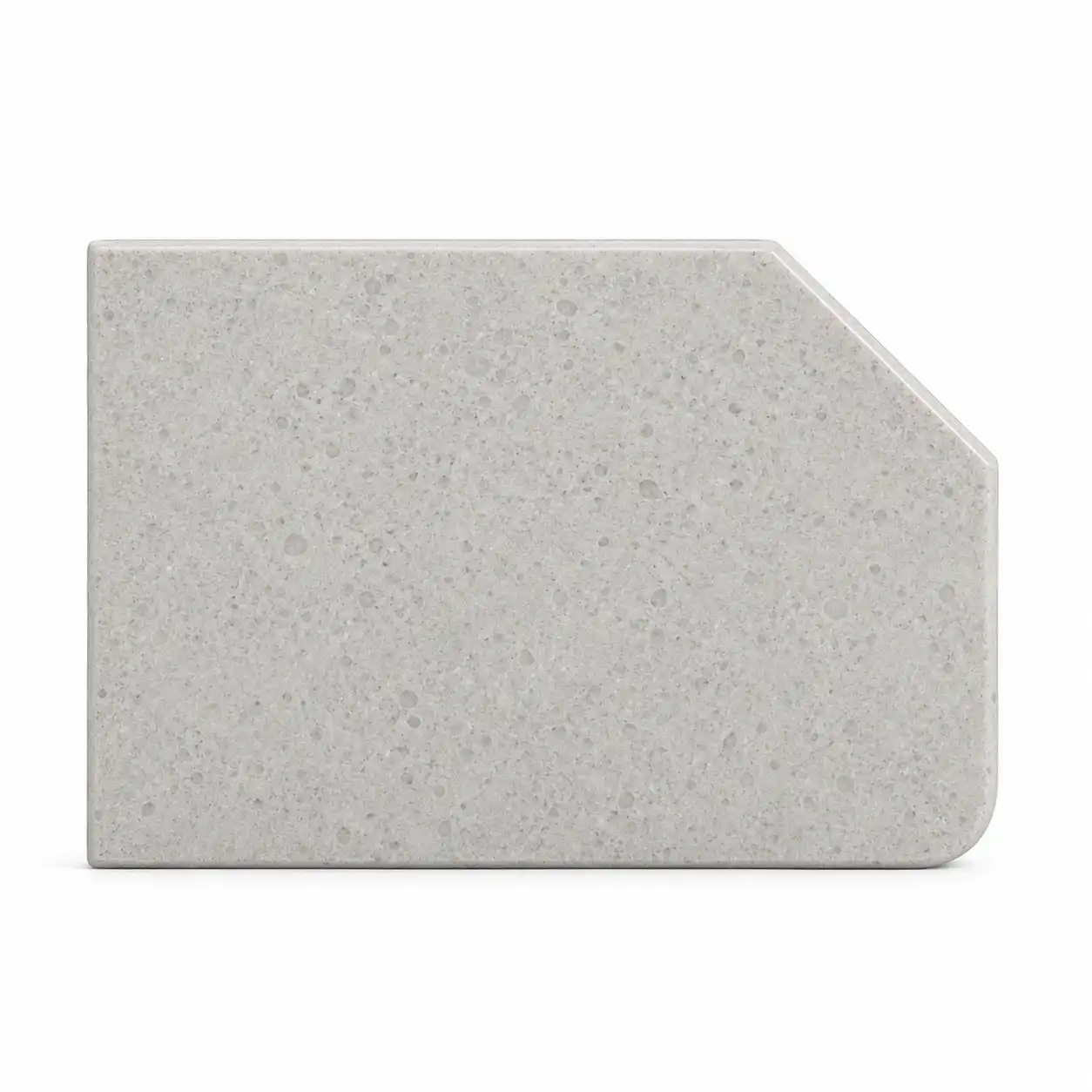
(Angled Edge)Very popularThe beveled edge cuts the top corner of the stone at an angle — typically 45° — creating a distinct visual line that catches the light. It's cleaner and more geometric than a bullnose, making it a strong choice for contemporary and transitional kitchens. The angled face adds visual interest without ornamentation.
Half Bullnose
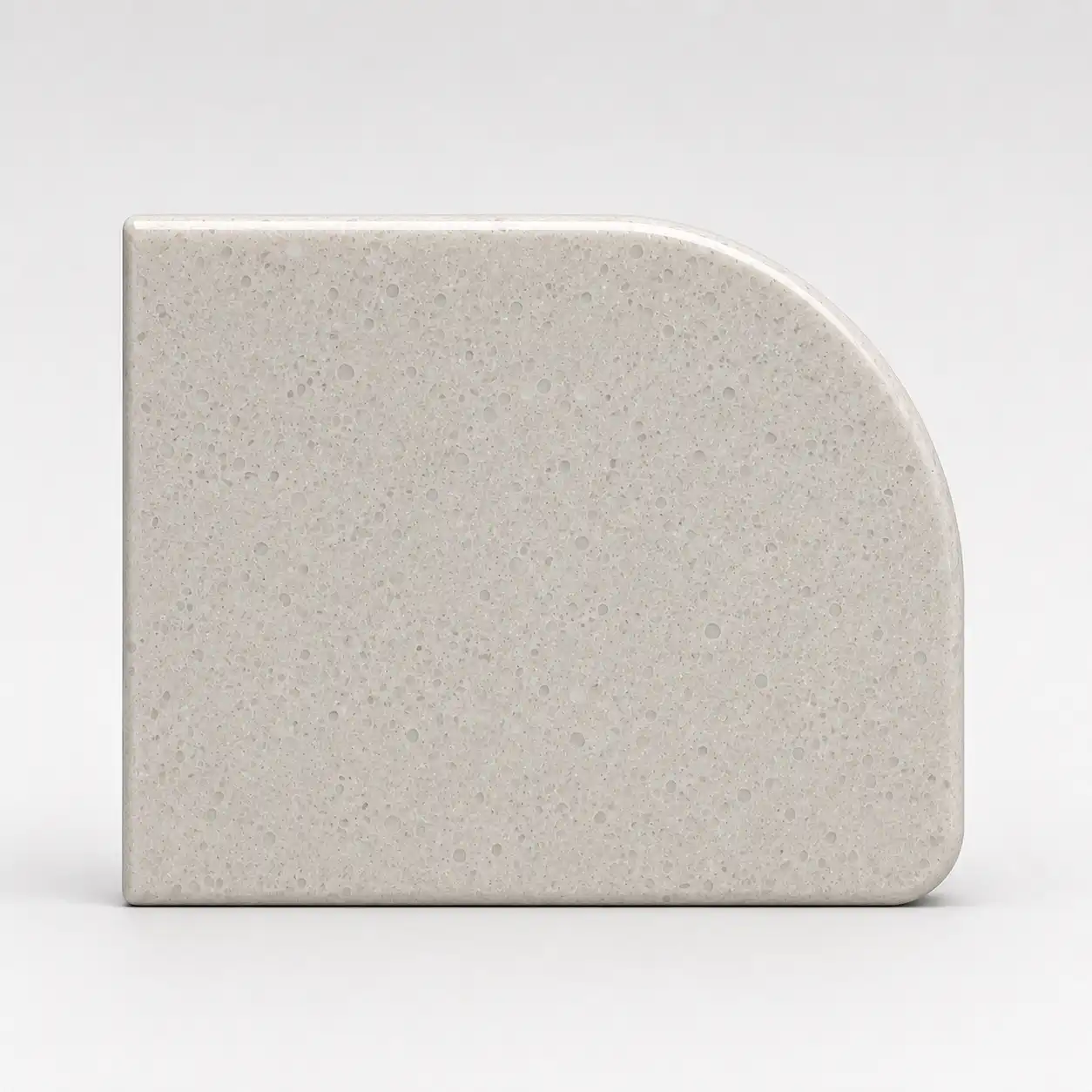
(Demi Bullnose)Very popularThe half bullnose rounds the top edge of the stone while leaving the bottom edge square. It's one of the most widely chosen profiles — soft enough to feel approachable and safe, clean enough to feel current. It reads as classic in traditional kitchens and transitional in contemporary ones. A safe, beautiful default.
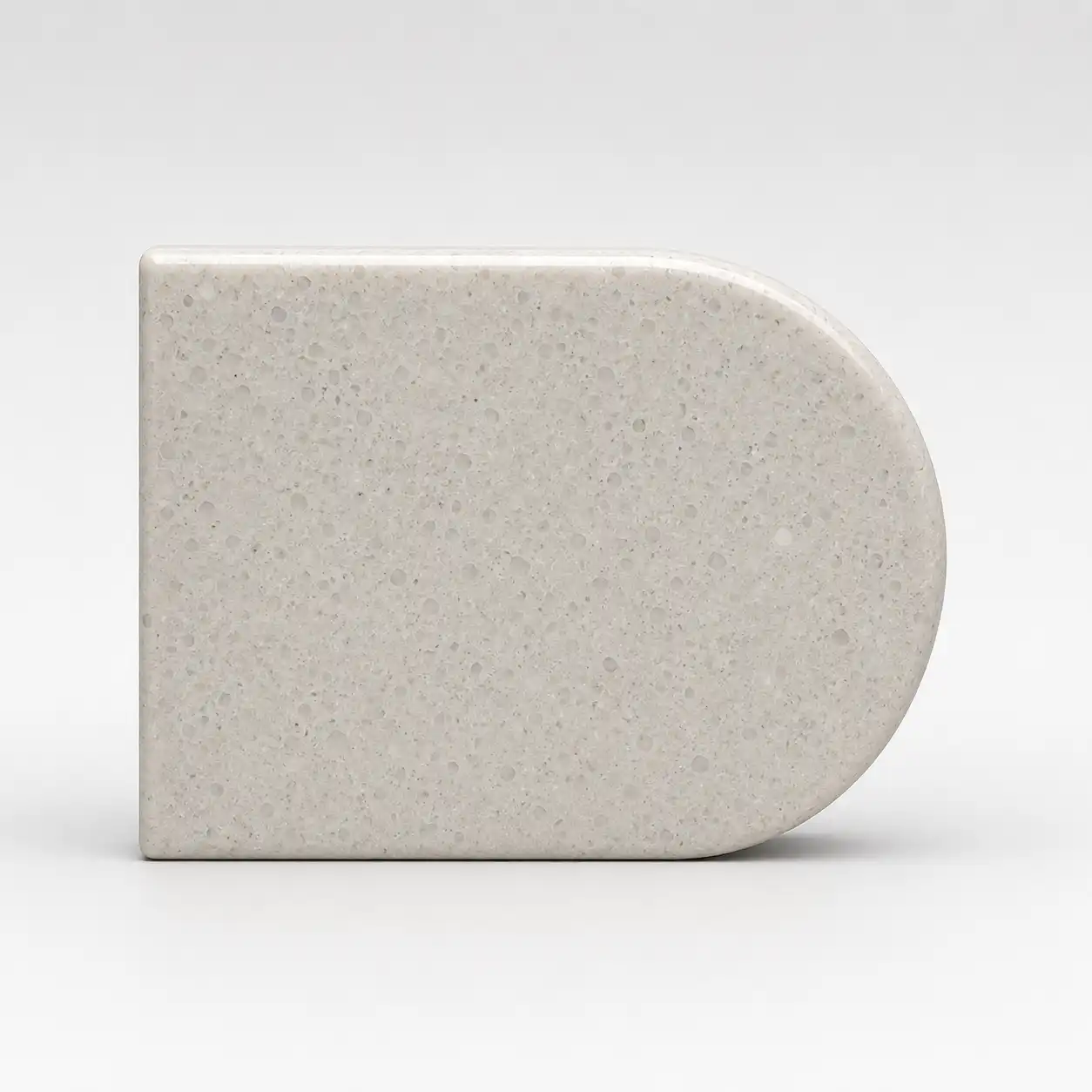
Full Bullnose
(Rounded Edge)Classic choiceThe full bullnose rounds both the top and bottom of the stone edge into a smooth, continuous curve. It's the most traditional of the rounded profiles — warm, tactile, and comfortable. Popular in formal kitchens, it works beautifully in homes with curved architectural details and raised-panel cabinetry.
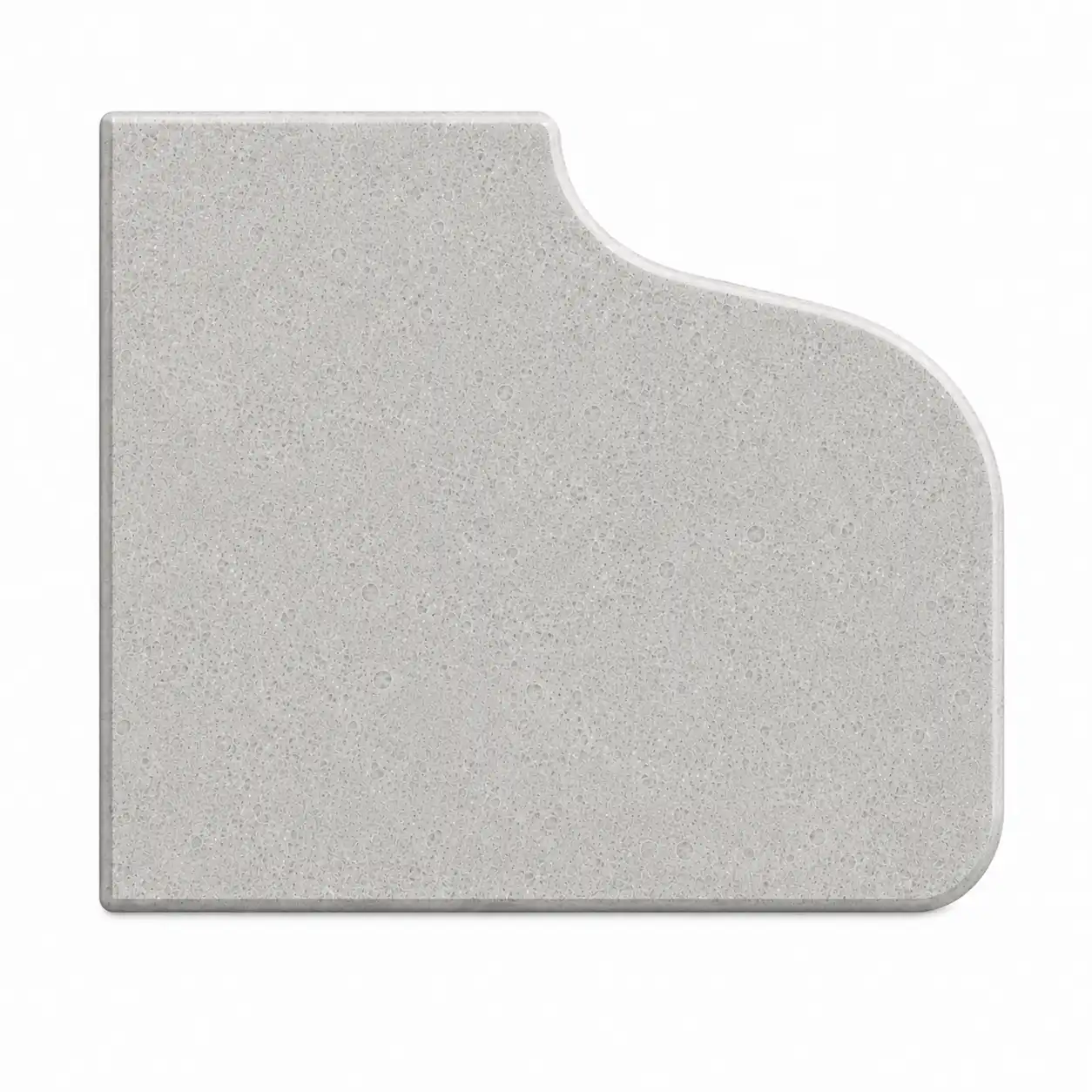
Ogee
(S-Curve Profile)Traditional statementThe ogee is the most ornate of the classic profiles — an S-curve that flows from a concave notch to a rounded top, creating a traditional, formal look with genuine architectural presence. Popular in traditional and Old World kitchens with detailed cabinetry and decorative corbels. It makes a quiet but confident statement about craftsmanship.
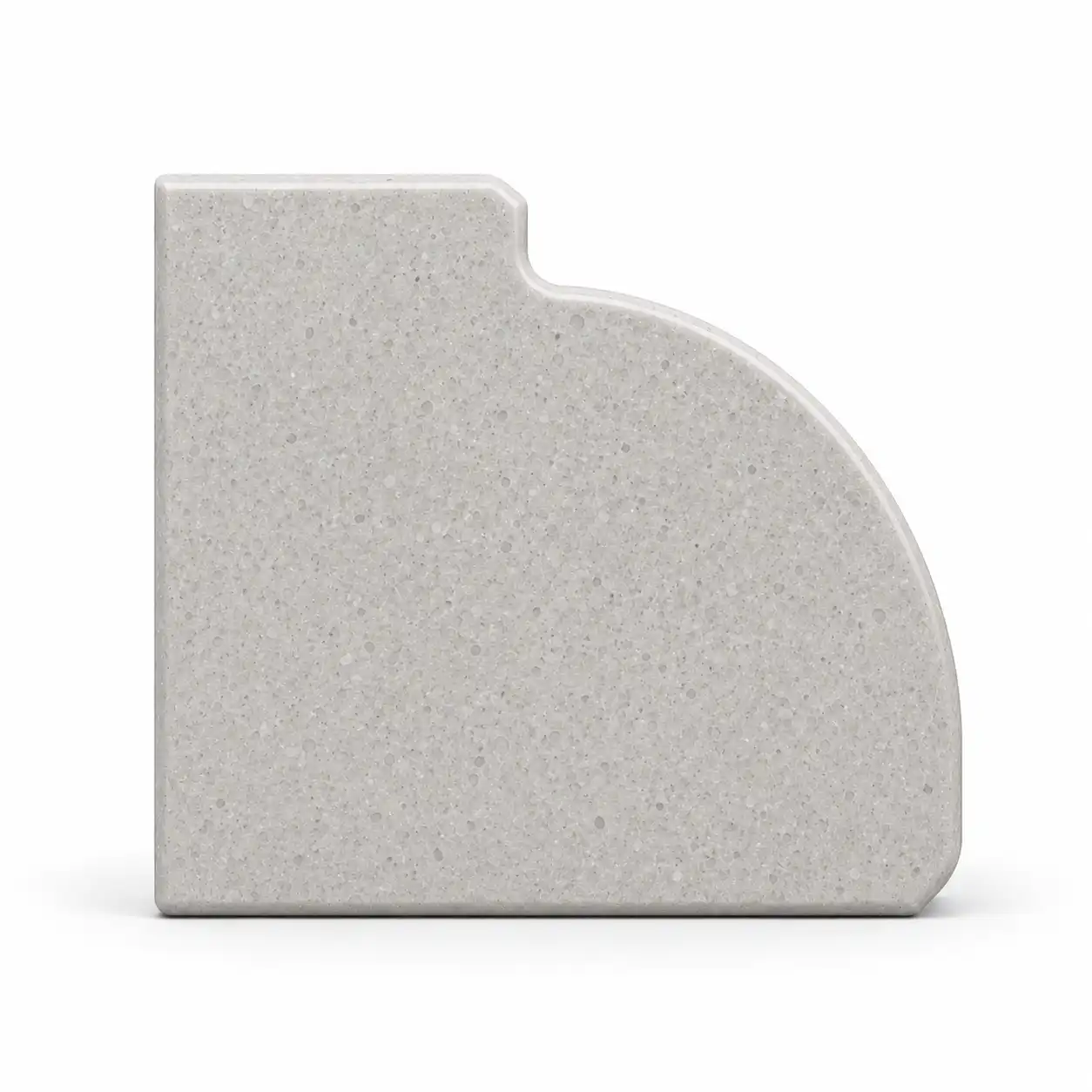
Dupont
(Step Edge / Stair Edge)Formal accentThe Dupont profile combines a small step or shelf detail with a rounded or angled top — creating a layered, architectural look that reads as genuinely ornate. More complex than the ogee, it's a true statement edge for formal kitchens where every detail is considered. Pairs beautifully with fluted or furniture-style cabinetry.
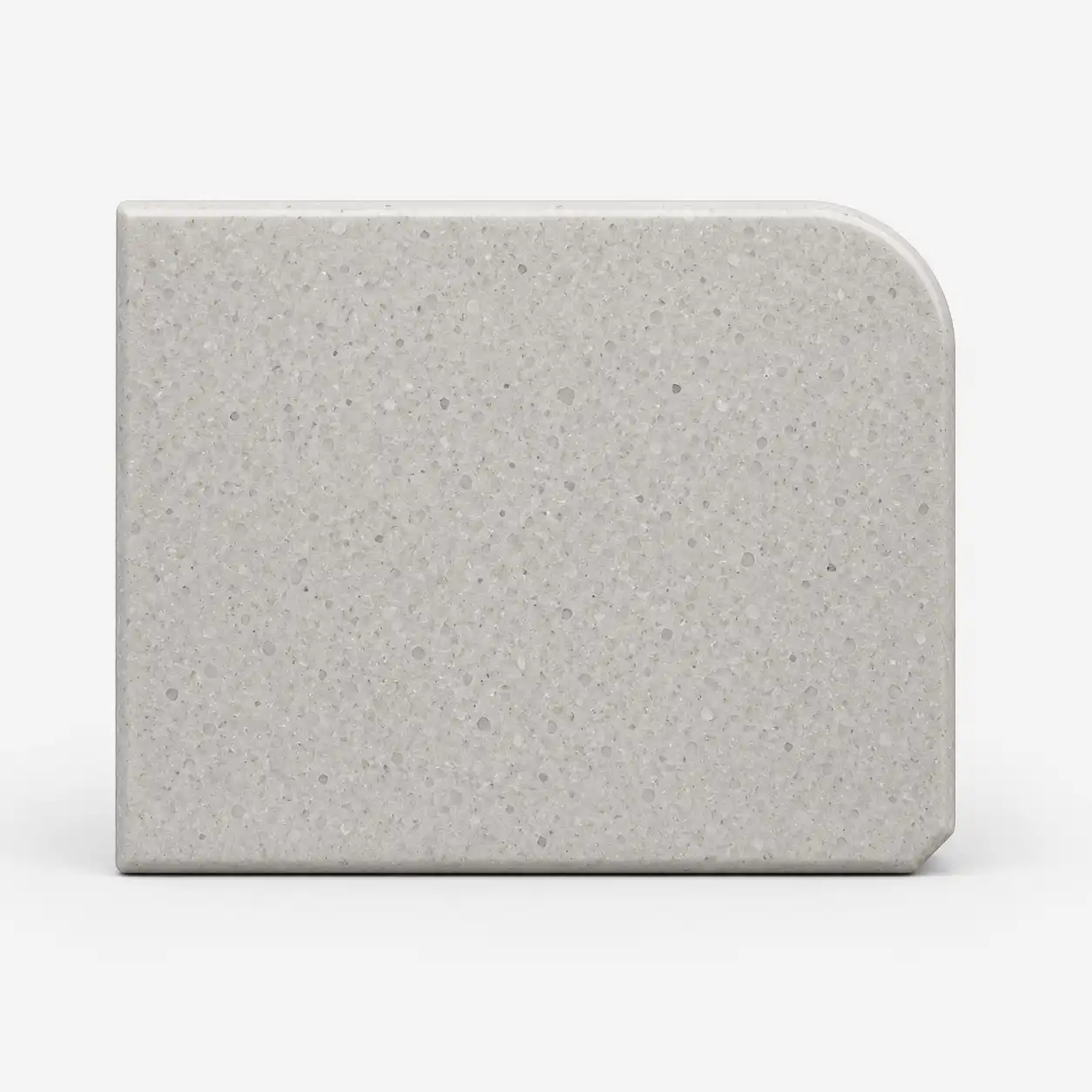
Pencil
(Pencil Round)Clean & refinedThe pencil edge features a subtle top-corner rounding — tighter and more precise than a half bullnose, with a smaller radius that reads as refined rather than soft. It's the edge for designers and homeowners who want a break from the fully square eased edge without the visual prominence of a bullnose. Elegant in its restraint.
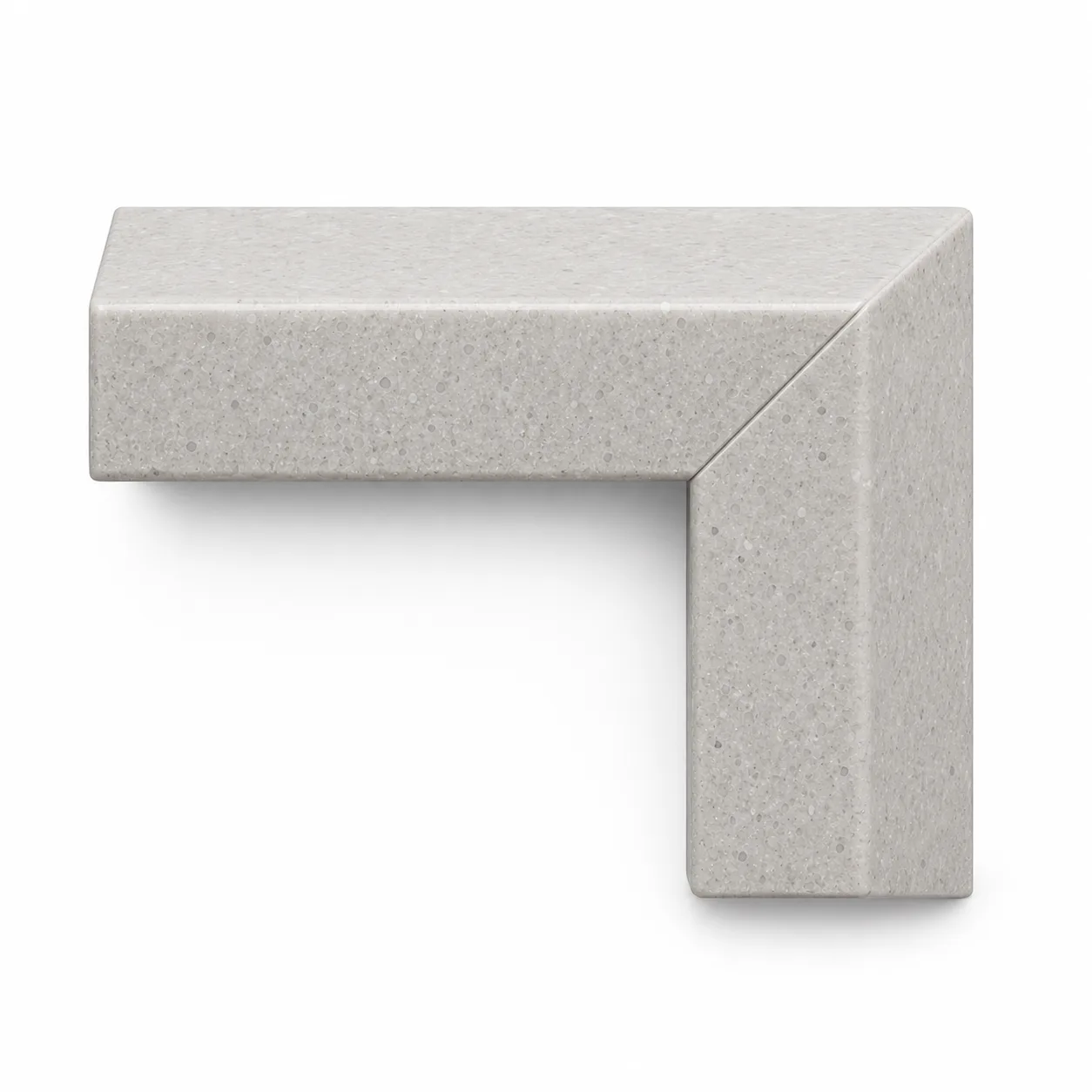
Waterfall / Mitered
(Waterfall Edge)Ultra-modernThe waterfall edge isn't a profile on the countertop edge itself — it's a design detail where the countertop surface continues vertically down the side of the island or cabinet, creating an uninterrupted flow of stone from the top down to the floor. Requires a precise 45° mitered joint at the corner. The most dramatic, design-forward countertop detail available and one of the most requested looks in NH.
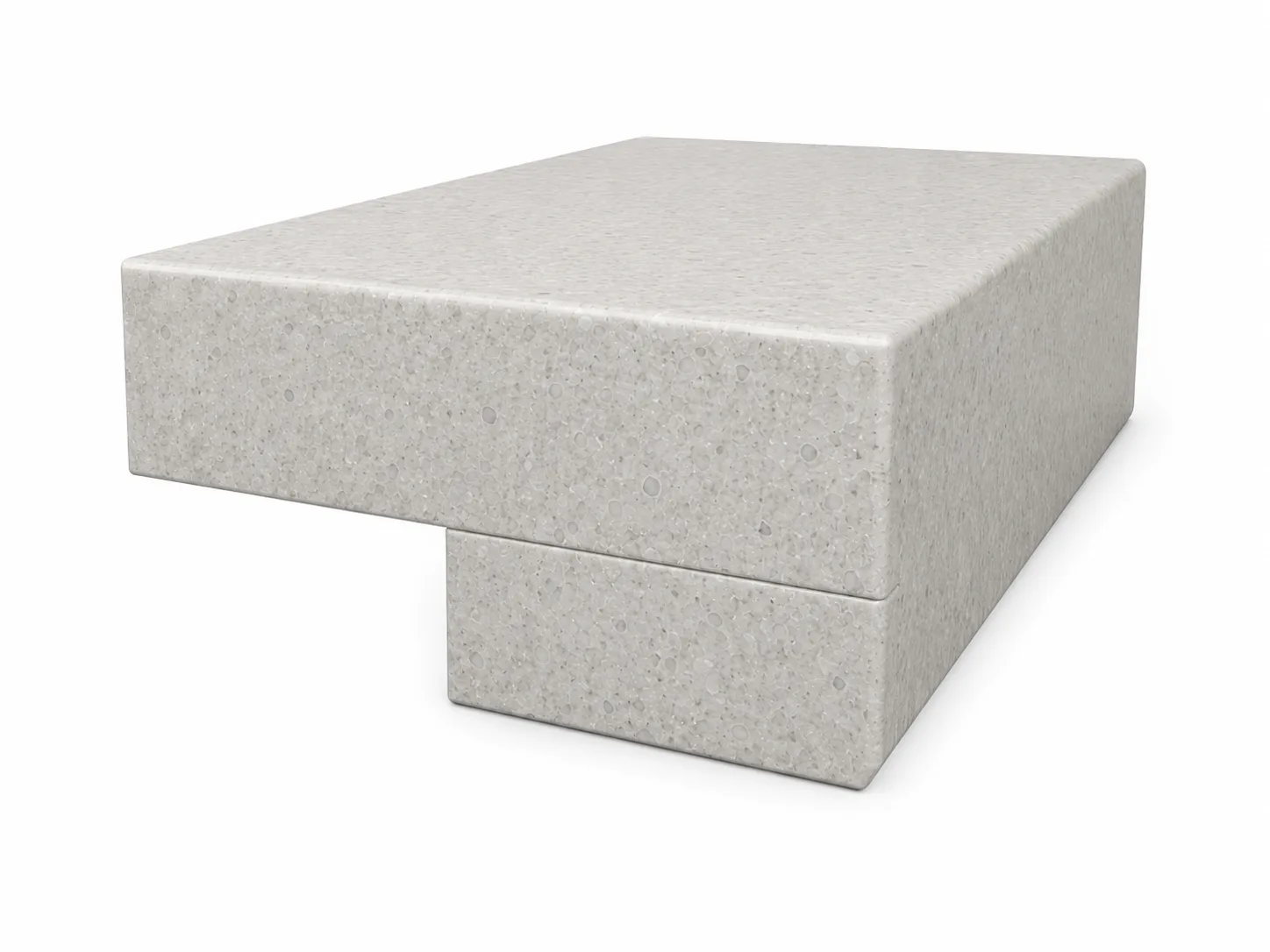
Laminated
(Thick / Built-Up Edge)Adds visual weightLaminated edges aren't a profile shape — they're a construction technique where a second strip of stone is bonded to the underside of the edge, doubling the visible thickness from the standard ¾" to 1½" or more. The result is a countertop that appears heavier, more substantial, and more luxurious. Any edge profile can be laminated — eased, beveled, bullnose, and ogee are all popular laminated options.
Decision Guide
How to Choose the Right Edge Profile
There's no universally "best" edge profile — the right choice depends on five key factors:
Your kitchen style
Contemporary and modern kitchens read best with eased or beveled edges — they're geometric and clean. Traditional and formal kitchens look most at home with bullnose, ogee, or Dupont. Transitional kitchens can go either direction.
Your cabinet door style
Flat-panel (Shaker) cabinets pair naturally with eased or beveled edges. Raised-panel cabinets invite more ornate profiles like ogee or Dupont. Inset cabinets work beautifully with any profile, including waterfall.
How you use your kitchen
High-traffic family kitchens with children benefit from softer profiles (full bullnose, half bullnose) that eliminate sharp corners. Single-household and design-forward kitchens have more flexibility.
Island vs. perimeter
Many homeowners use different profiles for the island versus the perimeter — a waterfall or thick laminated eased edge on the island as a statement piece, with a simpler eased or beveled edge on the perimeter counters.
Visual weight
Thinner stones (¾") with simple profiles look light and contemporary. Laminated edges that show 1½" or more of stone read as substantial and luxurious. The profile can dramatically change how heavy or delicate the countertop appears.
Quick Reference by Style
See every profile in person
We have physical edge profile samples in actual stone at our Epsom showroom. Photographs and illustrations don't capture how a profile reads on your specific material. Bring your cabinet samples and hold the edge samples against them — it takes five minutes and makes the decision obvious.
Common Questions
Countertop Edge Type FAQ
Honest answers to what NH homeowners ask most about edge profiles.
What is the most popular countertop edge profile?
The eased edge (straight edge with softened corners) is consistently the most popular choice across all kitchen styles — it's clean, contemporary, works with every cabinet style, and shows the full beauty of the stone without adding visual complexity. Half bullnose is the most popular rounded option, especially in traditional and transitional kitchens. Beveled edges have become increasingly popular for modern and flat-panel cabinet kitchens in recent years.
Does the edge profile cost extra?
Standard profiles — eased, beveled, half bullnose, and full bullnose — are typically included in fabrication. More complex profiles like ogee, Dupont, and waterfall/mitered edges involve additional fabrication time and are priced accordingly. Laminated edges also add cost due to the additional stone and labor required. We provide complete written estimates that clearly itemize all edge profile costs before any work begins.
What edge profile is safest for homes with children?
Full bullnose and half bullnose edges eliminate sharp corners entirely — the fully rounded profile is the most family-friendly option. Eased edges have softened corners (not sharp 90° angles) and are also quite safe. The profiles to avoid in high-traffic family kitchens are those with sharp angled details like certain beveled or step-profile edges on low islands or bar overhangs where children might bump into them.
What edge profile works best for a kitchen island?
Islands are where edge profiles shine most — the profile is visible from all four sides and often at seated eye level. For a dramatic, high-design look, waterfall/mitered edges on the island ends are enormously popular. For traditional kitchens, ogee or Dupont on a laminated (thick) edge creates real presence. For contemporary kitchens, eased or beveled on a laminated edge gives a clean, architectural look. We fabricate custom island edges of any shape and size.
Can I see edge profiles before I decide?
Yes — we have physical edge profile samples at our showroom in Epsom, NH that you can hold in your hand and feel. Seeing and touching the actual profiles in the actual stone you've selected is the best way to make this decision — photographs and illustrations don't fully capture how a profile reads on your specific material. We strongly recommend visiting our showroom at 1022 Dover Road, Epsom, NH before finalizing your edge selection.
What is the difference between a bullnose and an eased edge?
An eased edge is essentially straight — the top and bottom corners are slightly softened but the face of the edge remains flat and vertical, showing the full slab thickness. A bullnose rounds the top corner (half bullnose) or both corners (full bullnose) into a smooth curve. Eased edges read as more contemporary and geometric; bullnose edges read as softer and more traditional. Both are equally durable and easy to maintain.
How do I clean an ogee or Dupont edge?
The curved and stepped details in ogee and Dupont profiles can collect crumbs and debris more than simpler profiles. Clean them regularly with a soft cloth and pH-neutral stone cleaner — a small soft-bristle brush (like a toothbrush) is helpful for working into the curved sections. The stone itself is no harder to maintain; it's just the geometry of the profile that requires a bit more attention than a flat eased edge.
What edge profile pairs with white shaker cabinets?
White shaker cabinets are versatile enough for almost any edge, but the most popular choices are eased, beveled, and half bullnose. Eased edges complement the clean, flat lines of shaker doors. Beveled adds a geometric accent that echoes the cabinet frame detail. Half bullnose softens the kitchen without competing with the cabinet door pattern. For formal white shaker kitchens with raised-panel elements, ogee is also a strong choice.
Get Started
Ready to Choose Your Edge?
The best way to choose your edge profile is to visit our showroom in Epsom, NH. We'll walk you through every option with actual samples in your chosen stone — no guessing from photos or illustrations. Our team will help you narrow it down based on your kitchen style, cabinets, and how you use your space.
Get a Free Countertop Estimate
Tell us about your project and we'll respond within one business day with a detailed written estimate — no obligation.
Explore More