Why Is Taj Mahal Quartzite So Popular? Plus Beautiful Alternatives to Consider
Taj Mahal quartzite has become one of the most requested stones in high-end kitchens. Here is why it resonates with so many homeowners, what it actually looks like slab to slab, and which alternatives are worth considering if you want something similar — or something better.
By Precision Granite Works Team · Precision Granite Works, Epsom NH
Taj Mahal quartzite has spent the last several years near the top of nearly every designer's natural stone list. It shows up in high-end kitchen reveals, renovation magazines, and new construction projects across New Hampshire and beyond.
The question worth asking isn't just "what is it?" — it's why this particular stone resonates with so many homeowners, what makes one slab different from another, and whether it's actually the right stone for your kitchen or simply the most talked-about one right now.
If you're drawn to it, this guide will help you understand what you're looking at. If you're open to alternatives, we'll walk through the stones worth comparing.
What Does Taj Mahal Quartzite Look Like?
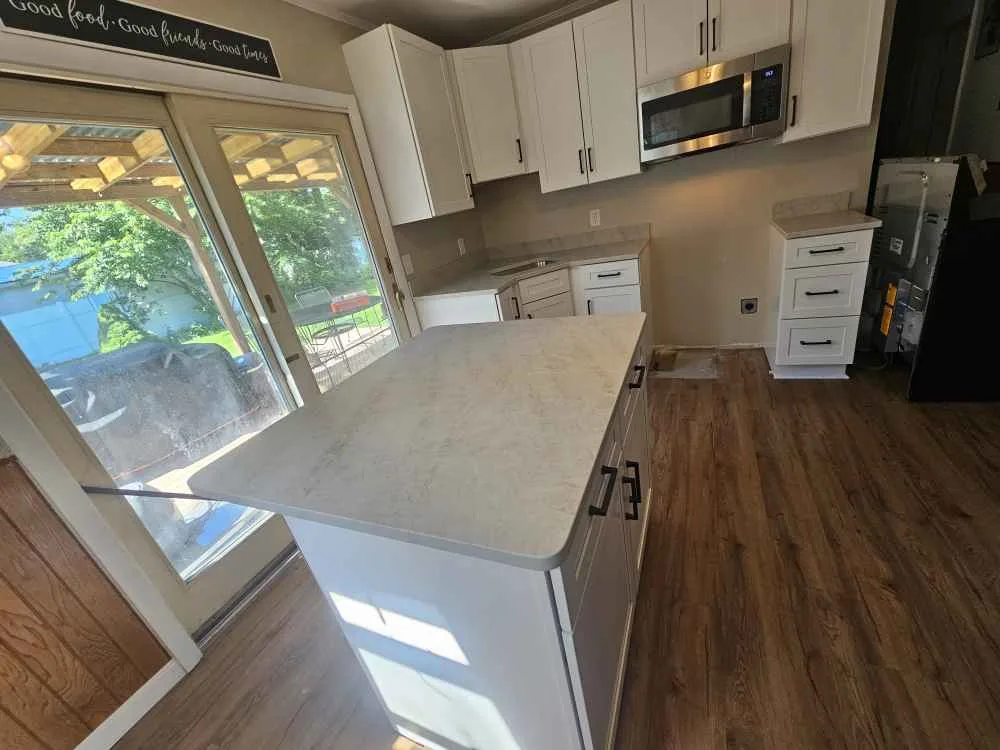
Taj Mahal quartzite is a warm off-white to cream stone, quarried primarily in Brazil. The background color is not a clean, bright white — it has warmth built into it. Gold, caramel, ivory, and taupe tones run through the stone, and the veins are typically flowing and soft rather than sharp or dramatic.
Common characteristics you'll see across Taj Mahal slabs:
- Warm cream or off-white background
- Soft veins in ivory, light gold, or warm brown
- Occasional movement in gray or deeper caramel
- Flowing, organic pattern rather than bold, graphic veining
- Depth that photographs slightly differently than it reads in person
It pairs naturally with:
- White oak and natural wood cabinet finishes
- Warm white and off-white shaker cabinets
- Greige, mushroom, and warm neutral tones
- Soft green and sage cabinet finishes
- Walnut and darker wood tones for contrast
The stone does not naturally pair as well with cool-toned gray cabinets or stark white cabinets with blue or green undertones. The warmth in the stone reads as a mismatch against cooler finishes.
Why Has It Become So Popular?
Taj Mahal occupies a position that very few natural stones can claim. It gives homeowners something that feels luxurious and elegant without being polarizing — and that's a genuinely difficult combination to find in stone.
It Works With Almost Any Cabinet Finish That's Popular Today
The warm, neutral palette of Taj Mahal makes it adaptable in a way that many stones aren't. A strongly colored or dramatically veined stone forces the design in a specific direction. Taj Mahal supports a wide range of finishes — from natural wood to white to green — without competing for attention. Designers working across many different client styles reach for it because it solves the pairing problem for a large portion of the kitchens they work on.
It Has the Look of Marble Without the Maintenance Sensitivity
Many homeowners are drawn to the flowing veins and natural character of marble, but they are cautious about marble's sensitivity to acids. Marble can etch — that hazy surface damage from contact with lemon juice, vinegar, wine, or even sparkling water — in ways that quartzite generally does not. Taj Mahal quartzite gives a softer, more refined look than most granites while handling everyday use better than marble. That combination is a significant reason it's on so many specification lists.
The Natural Variation Is Expressive Without Being Busy
Some stones have such strong movement or contrast that they become the dominant element in the room. Taj Mahal's veining is expressive enough to give the stone real character, but soft enough that it doesn't overwhelm a kitchen. The stone reads as elevated without demanding constant attention. For homeowners who want something with presence but not drama, that balance is hard to walk past.
It Photographs Beautifully
This is a smaller factor, but it's real. The warm tones and flowing veins in Taj Mahal photograph well in a broad range of lighting conditions. That's part of why it shows up so consistently in renovation photography and finished project images — the stone simply reads well on camera, which has reinforced its visibility and demand.
Is It Becoming Overused?
Some designers and homeowners have started to ask whether Taj Mahal is too popular — whether choosing it means your kitchen will look like every other kitchen.
The honest answer: the name is common. The stone isn't.
Because Taj Mahal is a natural material, no two slabs are the same. The slab you choose will have its own movement, its own warmth, its own veining pattern. A kitchen built around a specific Taj Mahal slab with thoughtful cabinet pairings, a good edge profile, and considered layout decisions will not look generic — even if the name appears on a lot of specification sheets.
The risk isn't choosing Taj Mahal. The risk is choosing the name without choosing the slab carefully. That's how you end up with something that feels like a placeholder rather than a decision.
What Cabinets Go With Taj Mahal Quartzite?
The stone's warm undertones are the key to pairing it successfully.
- White oak and natural wood: This is one of the strongest pairings available. The warm grain of white oak and the cream tones of Taj Mahal work together without competing. Both materials feel natural, and together they create a kitchen that reads as warm, calm, and intentional.
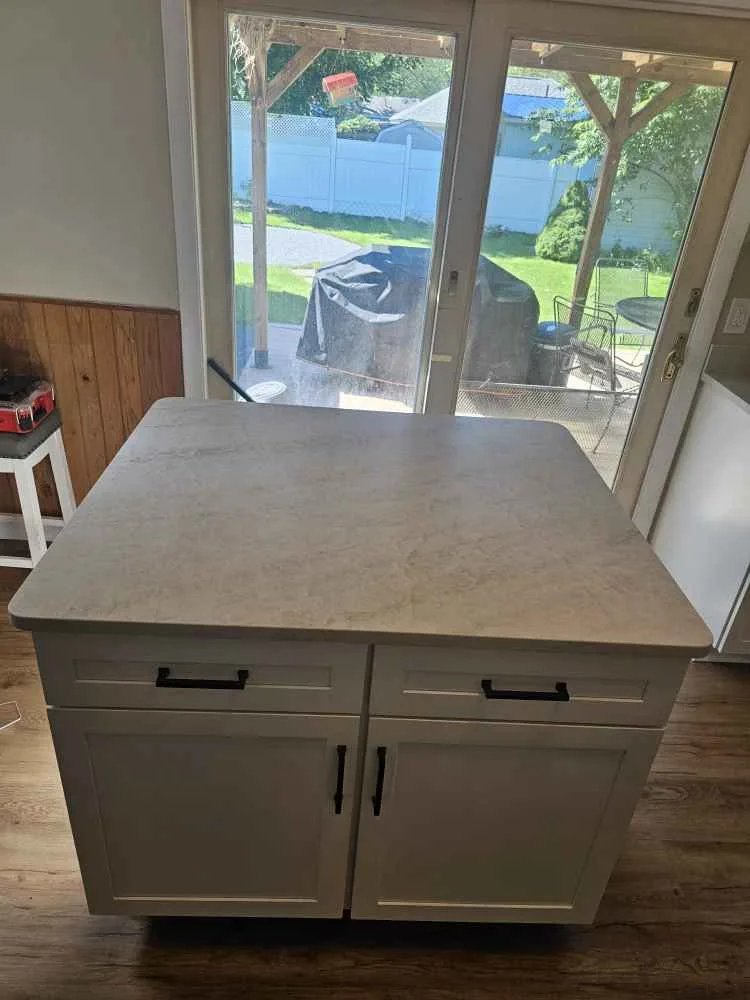
- Walnut: The darker, richer tones of walnut create a striking contrast against the lighter stone. This works especially well on islands where the stone and cabinet are in direct visual dialogue.
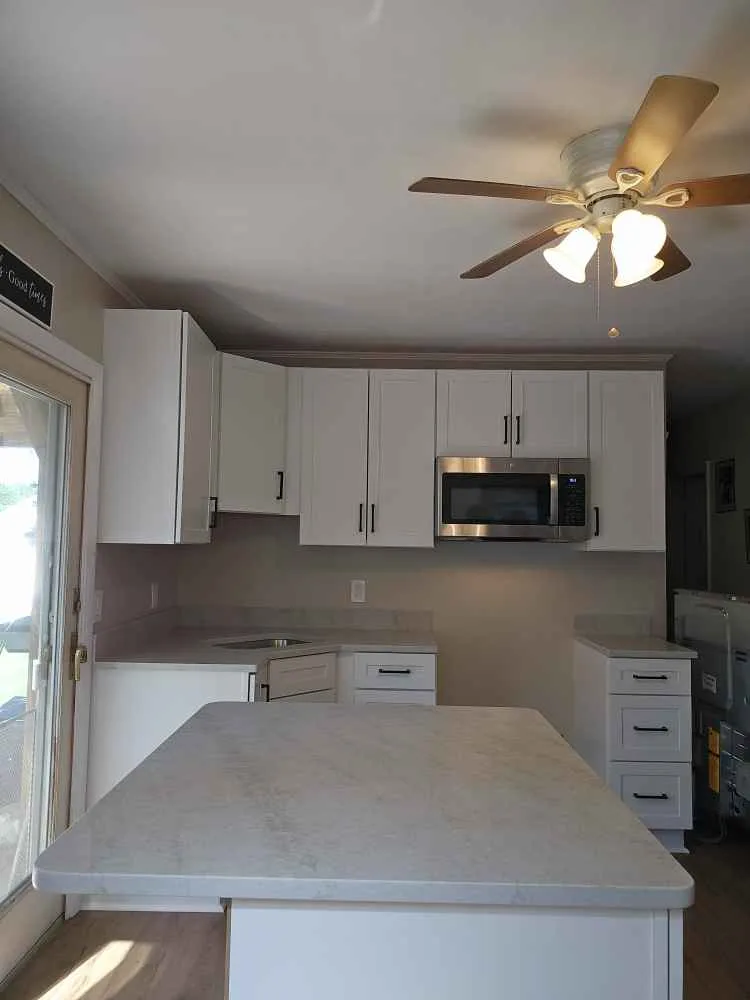
- White shaker cabinets: Taj Mahal is one of the warmer stones that pairs well with white cabinets without making the kitchen feel cold. The cream in the stone prevents the white from reading as sterile.
- Greige, mushroom, and warm neutral tones: These mid-tone finishes pair naturally with the stone's warmth. The result is a kitchen that feels layered rather than high-contrast.
- Soft green: Sage, olive, and warm green cabinet finishes have become increasingly popular, and Taj Mahal works well with them. The warmth in the stone keeps the green from reading as cool or clinical.
Is It Good for a Busy Kitchen?
Taj Mahal quartzite performs better in active kitchens than many homeowners expect. It is harder than marble and generally handles daily use well. That said, it is still natural stone, which means care habits matter.
- Wipe spills promptly, especially oils, acids, and anything with strong color
- Use cutting boards — do not cut directly on the stone surface
- Use trivets or hot pads under hot pans, crockpots, and air fryers
- Clean with mild soap and water; avoid harsh chemicals or acidic cleaners
- Reseal the surface on the recommended schedule for your specific stone and sealer
With those habits in place, Taj Mahal can hold up well in a household that actually cooks. It is not the lowest-maintenance surface available, but it is not fragile. Homeowners who treat it like a natural stone — rather than like engineered quartz — generally have a very positive long-term experience with it.
Does It Need to Be Sealed?
Yes. Taj Mahal is a natural stone, and natural stone should be sealed. It is generally considered to have lower porosity than many quartzites, which works in its favor — but sealing is still important to protect against staining and to make everyday cleaning easier.
Your fabricator should seal the stone at installation. After that, how often you reseal depends on the sealer used, the level of use, and how your specific slab tests over time. Some sealers last several years. Others need annual attention. Ask your fabricator about their sealing recommendations at installation so you have a baseline for the stone you chose.
For more on sealing natural stone, see our guide on quartzite countertops care and maintenance.
What Are the Best Alternatives?
If Taj Mahal is the right stone for your kitchen, choose it. If you're open to comparison — or if the specific slabs available don't have the movement and warmth you're looking for — here are the stones worth considering.
Warm Quartzites in the Same Family
Several quartzites share Taj Mahal's warm, creamy character and are worth comparing side by side:
- White Macaubas: Softer and more subtle than Taj Mahal, with a lighter background and quieter veining. A good choice if you want a similar warmth with less visual movement.
- Calacatta Macaubas: More dramatic veining on a creamy white background. Closer to marble-inspired movement than Taj Mahal, with the durability advantage of quartzite.
- Perla Venata: A warm, neutral quartzite with flowing veins and a soft background. Often slightly more available than Taj Mahal, with similar design versatility.
- White Princess: A popular Brazilian quartzite with white and gold tones that offer a similar palette. Movement varies significantly by slab, so seeing the actual stone matters here.
Warm Granites That Offer a Similar Palette
If you want a warm, neutral stone with lower maintenance demands, several granites work well in similar design contexts:
- Colonial White: A light gray and cream granite with soft movement. It doesn't have the flowing veins of Taj Mahal, but the palette is compatible with many of the same cabinet pairings.
- River White: Off-white and cream tones with burgundy and gray veining. A softer choice than Colonial White, with a look that photographs well in warm-toned kitchens.
- Alaska White: A warm, creamy granite with soft movement and a lower price point than most premium quartzites. A practical choice for homeowners who want the warmth without the quartzite premium.
Engineered Quartz for a Consistent Look
If you want a warm, neutral design direction but prefer the consistency and lower maintenance of engineered quartz, several manufacturers offer quartz designs that capture a similar palette. Quartz will not have the natural depth or movement of a stone slab, but for homeowners who want a zero-sealing, low-maintenance surface with a comparable visual impression, the engineered options have improved significantly.
More Dramatic Quartzites If You Want More Movement
If you're drawn to Taj Mahal but want something with more visual presence:
- Fantasy Brown: Often classified as either quartzite or marble depending on the specific material being sold — ask your fabricator to confirm. It has more dramatic movement and stronger brown-and-cream contrast than Taj Mahal.
- Fusion Wow: A more expressive stone with stronger veining and broader movement. Not the same quiet elegance as Taj Mahal, but a more dramatic statement with natural stone character.
Quieter Stones If You Want Less Movement
Some homeowners see Taj Mahal and feel it still has more movement than they want. Options worth considering on the quieter end:
- Bianco Drift quartzite: A very soft, subtle white quartzite with minimal veining. Almost cloud-like in character. Very clean-looking in modern and transitional kitchens.
- Cristallo quartzite: A lighter, more translucent stone with delicate movement. Often used in waterfall islands and statement applications where the stone's subtlety becomes a design feature.
The Rule Worth Remembering: Compare by the Slab, Not the Name
The most useful advice when exploring alternatives to Taj Mahal — or to any named stone — is to compare actual slabs rather than just names. Two slabs with the same name from different suppliers can look meaningfully different. Two slabs with different names can look remarkably similar. The name is a starting point. The slab is the decision.
For more context on quartzite as a category, see our full quartzite guide. And if you want to understand whether quartzite is worth the investment over other materials, our post on quartzite countertops: are they worth the upgrade covers the comparison in detail.
Why Slab Layout Matters
Taj Mahal quartzite's soft flowing veins are part of what makes it beautiful — but that movement also means slab layout decisions have a visible impact on the finished project. This is especially true for:
- Large islands: Where the veining flows across a wide surface and seam placement affects how the pattern reads from the main kitchen viewing angle
- Sink and cooktop cutouts: Which determine where the most prominent part of the slab ends up, and whether the best movement is centered in the visible field or cut away
- Full-height backsplashes: Which require careful planning to align the stone above the countertop with the countertop surface. When done well, a full-height stone backsplash creates one of the most dramatic uses of Taj Mahal available
- Seams: Which should be planned early and placed to minimize visibility in the finished kitchen. For seam placement guidance, see our countertop seams guide
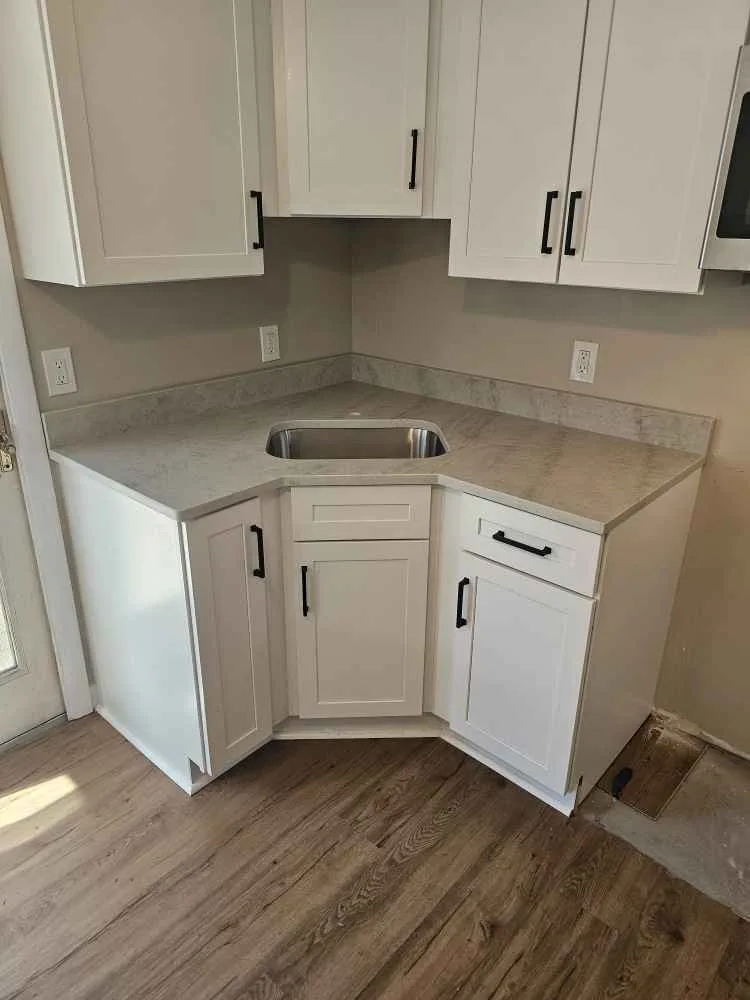
These decisions are made during templating and fabrication. If you have strong preferences about where the movement lands in your finished kitchen, discuss that with your fabricator before the slab is cut.
What Can Change the Price?
Taj Mahal quartzite is a premium material, and several factors affect what the finished project costs:
- The specific slab — premium movement and stronger character typically command higher pricing
- Thickness (2 cm vs. 3 cm)
- Edge profile — standard edges cost less than custom or stacked profiles
- Number and complexity of cutouts (sinks, cooktops, faucet holes)
- Seam count and placement complexity
- Full-height backsplash — adds material and fabrication time
- Waterfall island detail — requires precise mitered cuts
- Current slab availability and market conditions
The most reliable way to understand what Taj Mahal will cost for your specific project is to review actual slabs and get a written estimate that reflects your kitchen's layout and details.
Questions to Ask Before You Buy
Before committing to any natural stone purchase, these questions will help you make a more informed decision:
- Can I see the actual slab, not just a sample?
- How many slabs are available from this lot, and are they enough to complete my project?
- How should I care for this specific stone — what sealer do you recommend, and how often?
- What is the porosity of this slab?
- Where will the seams fall in my kitchen layout?
- How will the veining be oriented — across the countertop, or with the countertop depth?
- If I want a full-height backsplash, do we have enough slab material to do it well?
- What edge profiles work best with this stone thickness?
- Have you fabricated this material before? What should I know about how it cuts?
Choose the Slab, Not the Trend
The reason Taj Mahal quartzite has stayed popular isn't luck. It hits a genuine sweet spot — warm enough to feel inviting, elegant enough to feel elevated, and versatile enough to work with the cabinet finishes most homeowners are choosing right now. Those qualities are real, and they won't stop being real when the next stone gets its moment.
What we encourage homeowners to do is approach the choice the same way regardless of which stone they're drawn to: see the slab in person, understand how it performs, think honestly about how you use your kitchen, and make the decision based on the actual material in front of you — not the name on the ticket.
A great Taj Mahal slab is a great choice. So is a great White Macaubas slab. So is a warm Colonial White granite that photographs beautifully and fits your budget. The category matters less than the specific stone, the specific slab, and the fabricator doing the work.
See Stone Slabs in Person at Precision Granite Works
At Precision Granite Works, we work with homeowners across New Hampshire — including Concord, Manchester, Portsmouth, Nashua, Dover, Bedford, Londonderry, and surrounding communities — to help them choose, fabricate, and install natural stone countertops that work beautifully in their homes.
If you're considering Taj Mahal quartzite, a comparable warm quartzite, or any other natural stone, we invite you to visit our showroom at 1022 Dover Road in Epsom, NH, see material options up close, and talk through the choices for your specific kitchen.
Call us at 603-736-0004 or get a free estimate online. We're happy to answer questions and help you find the stone that fits your home — not just the one that's trending.
Frequently Asked Questions
What color is Taj Mahal quartzite?+
Why is Taj Mahal quartzite so popular?+
Is Taj Mahal quartzite a natural stone?+
Does Taj Mahal quartzite need to be sealed?+
Is Taj Mahal quartzite good for a busy kitchen?+
What cabinets pair with Taj Mahal quartzite?+
What quartzite looks similar to Taj Mahal?+
Does every Taj Mahal quartzite slab look the same?+
Is Taj Mahal quartzite expensive?+
Can Taj Mahal quartzite be used for a full-height backsplash?+
What should I look for when buying Taj Mahal quartzite?+
Ready to Start Your Project?
Contact Precision Granite Works for a free consultation and quote at our Epsom, NH showroom.
About the Author
Written by the team at Precision Granite Works — New Hampshire's family-owned countertop fabricators. Jillian and Shawn Woodward and their team serve homeowners and builders across all of NH from our Epsom showroom.