What Countertop Edge Is Best for Granite? A Simple Guide to Edge Profiles
Choosing a granite countertop edge may seem like a small detail, but it can affect the look, maintenance, comfort, and cost of your project. Learn the most popular granite edge profiles and how to choose the right one for your kitchen or bathroom vanity.
By Precision Granite Works Team · Precision Granite Works, Epsom NH
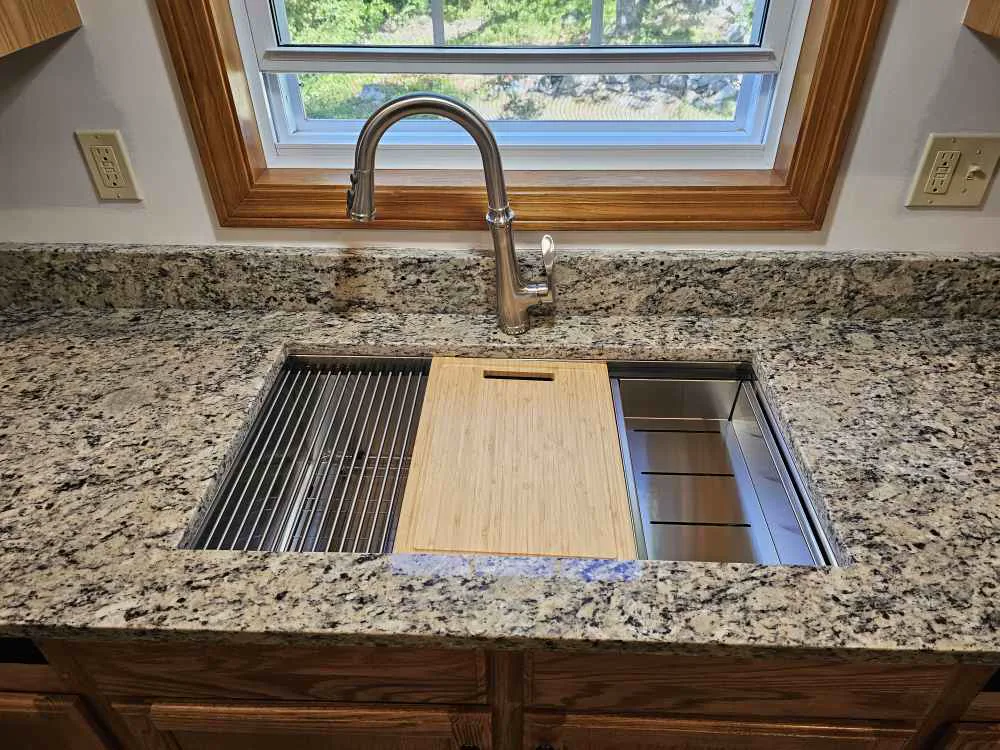
When homeowners choose granite countertops, most of the attention goes to the stone itself.
That makes sense. The color, pattern, movement, and finish are usually what people notice first. But there's another detail that can make a big difference in the finished look of the kitchen: the countertop edge.
The edge profile may seem like a small decision, but it affects the style of the room, how the countertop feels to use, how easy it is to clean, and sometimes even the final cost.
So, what countertop edge is best for granite?
For most kitchens, an eased edge is one of the best choices for granite countertops. It's clean, durable, easy to maintain, and works well with modern, transitional, and traditional kitchen designs. More decorative edges, such as beveled, ogee, or bullnose profiles, can be beautiful in the right kitchen, but they come with tradeoffs worth understanding before you choose.
Here's a simple guide to the most popular granite countertop edge options and how to decide which one fits your home.
What Is a Countertop Edge Profile?
A countertop edge profile is the finished shape along the exposed edge of the countertop.
It's the part you see and touch along the front of the counter, island, peninsula, or bathroom vanity. Some edges are simple and squared off. Some are slightly angled. Others are rounded or shaped with decorative curves.
The edge is created during fabrication before the stone is installed in your home. That timing matters because it's not something you want to decide after the countertop has already been cut and polished.
A granite countertop edge can affect:
- The overall style of the kitchen
- How thick or substantial the countertop appears
- How comfortable the edge feels during daily use
- How easy the countertop is to clean
- The risk of chipping at sharper corners
- The final cost of the project
A simple edge can make the countertop feel clean and timeless. A decorative edge can make it feel more traditional or custom. A rounded edge can make an island or seating area feel softer and more comfortable.
There isn't one perfect edge for every home. The best choice depends on the kitchen, the stone, the cabinets, the budget, and how the space will be used.
The Most Popular Granite Countertop Edge Options
There are many countertop edge profiles available, but most homeowners end up choosing from a few common options.
The most popular granite countertop edges include:
- Eased edge
- Beveled edge
- Ogee edge
- Half bullnose edge
- Full bullnose edge
- Other specialty or custom profiles
Each one creates a different look. Some edge profiles almost disappear into the design. Others become a noticeable feature.
The edge should work with your cabinet style, backsplash, hardware, flooring, and the granite you choose. If the stone already has a lot of movement, a simpler edge may look better. If the kitchen is more traditional and detailed, a decorative edge may feel more appropriate.
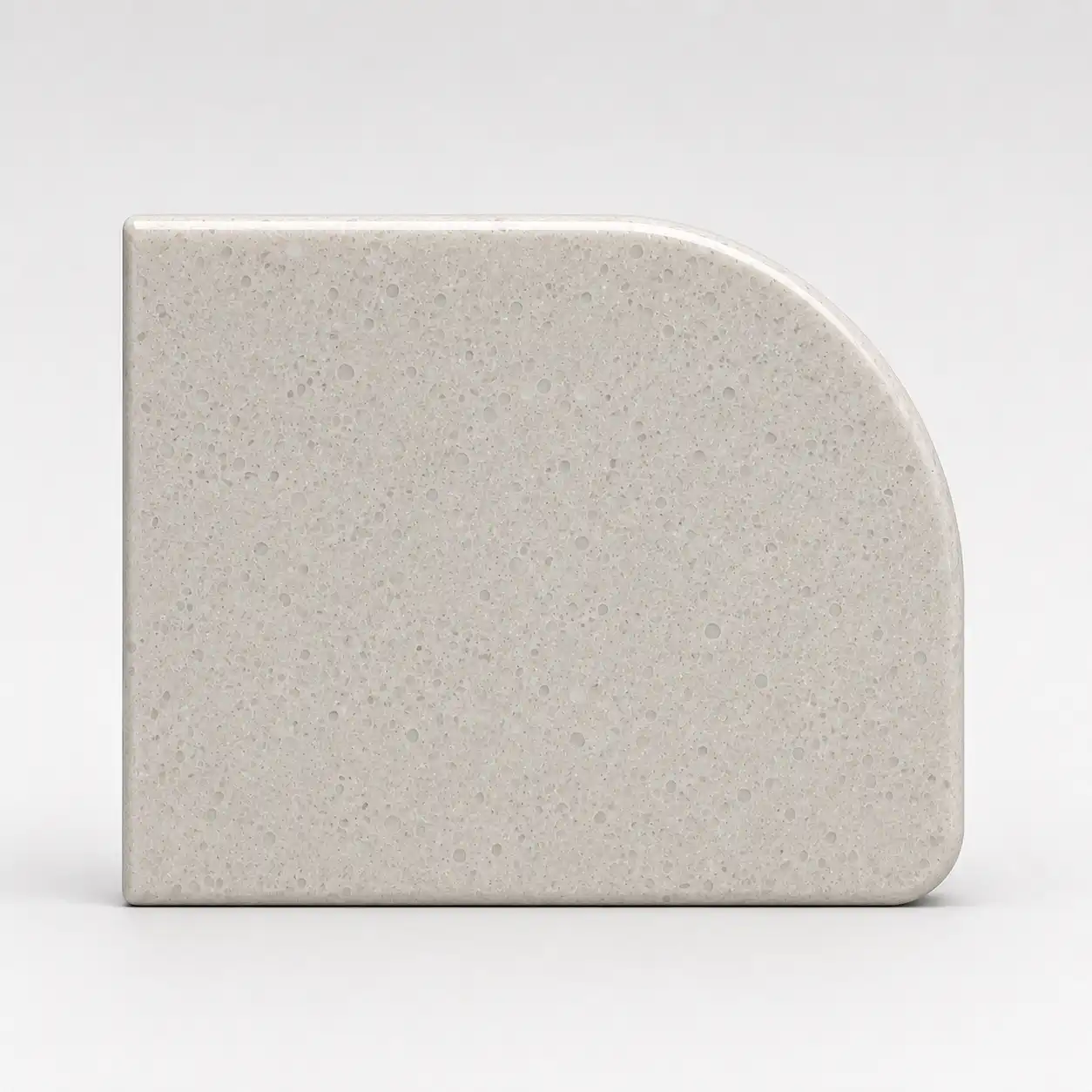
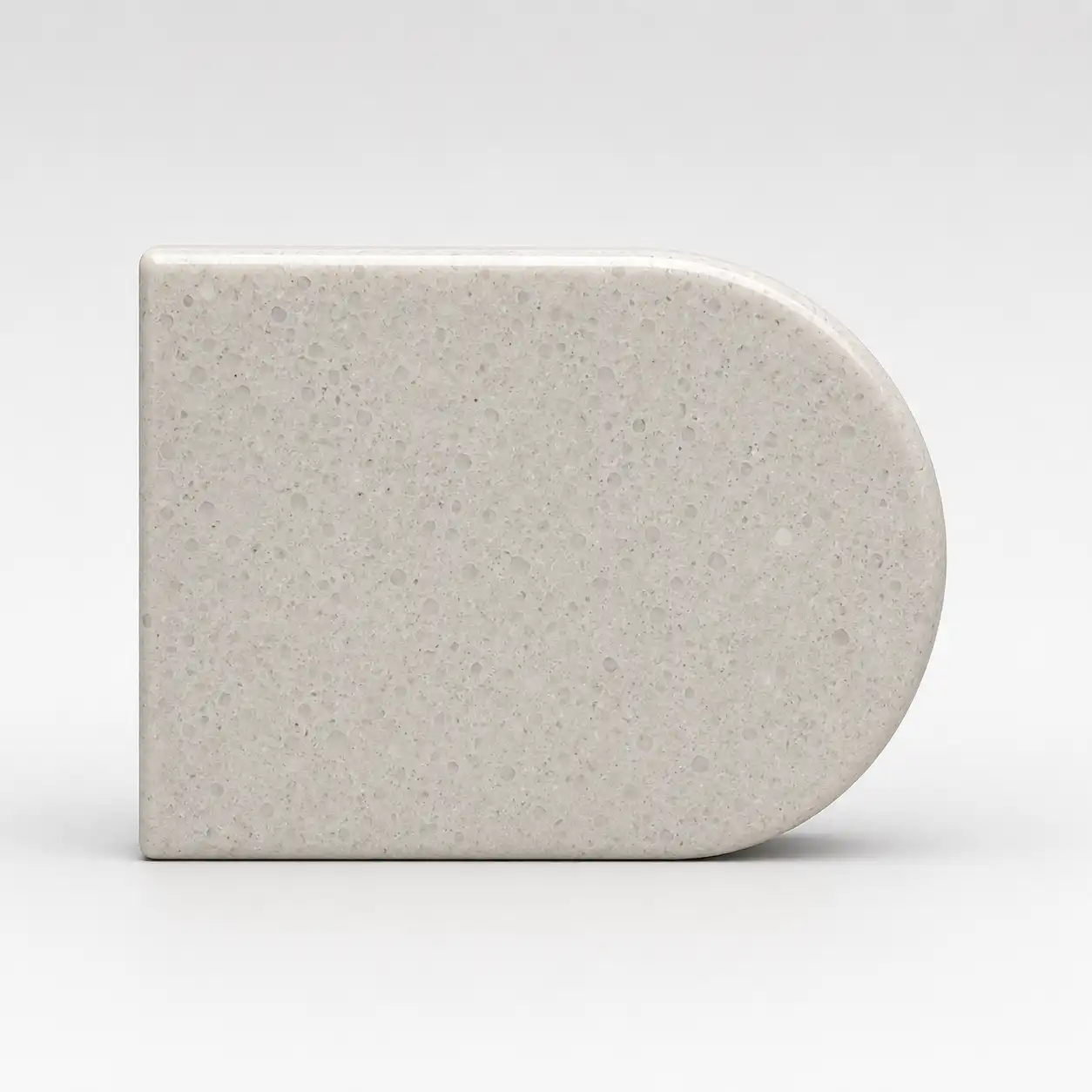
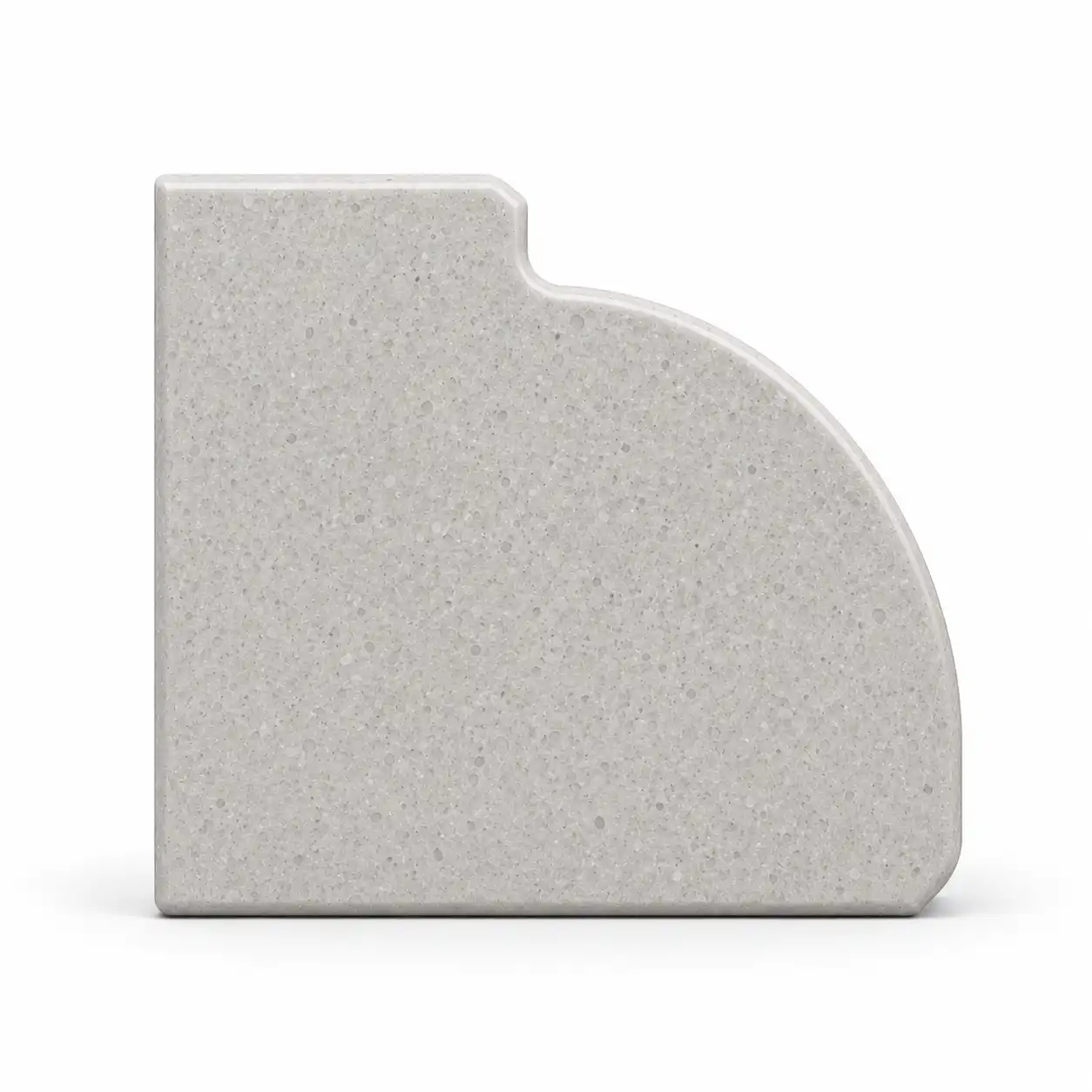
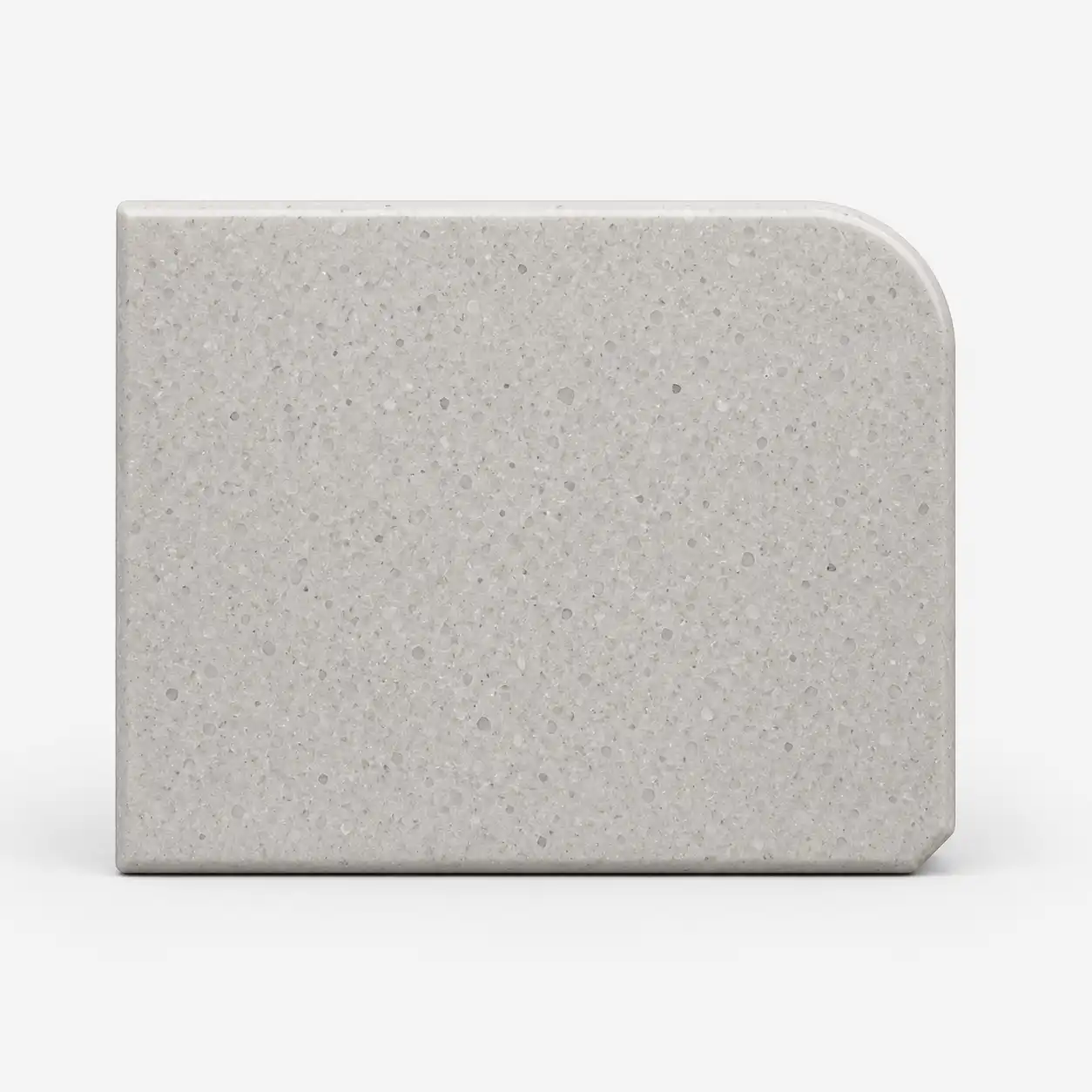
Eased Edge: Simple, Timeless, and Practical
The eased edge is one of the most popular granite countertop edges, and for good reason.
An eased edge has a clean, squared appearance with the sharpness slightly softened. It gives the countertop a finished look without adding a lot of decorative detail.
This edge works well in most kitchens because it doesn't compete with the stone. If your granite has bold movement, interesting color, or natural variation, an eased edge lets the material be the focus.
An eased edge is a good choice if you want:
- A clean and timeless look
- A practical everyday edge
- A style that works with many cabinet designs
- Easy cleaning with no grooves or curves
- A countertop detail that won't feel dated quickly
- A strong option for modern, transitional, and classic kitchens
Simple doesn't mean boring. In many kitchens, simple is what makes the finished project feel more refined. The countertop doesn't need an ornate edge if the stone itself already has plenty of character.
Beveled Edge: Clean With a Little More Detail
A beveled edge adds an angled cut along the top edge of the countertop.
It still feels clean, but it has more definition than an eased edge. Think of it as a small design detail that gives the countertop a slightly more finished or intentional look without becoming too decorative.
A beveled edge can work well in transitional kitchens, traditional kitchens, and spaces where the cabinets have a little more detail.
A beveled edge may be a good choice if you want:
- A clean look with added definition
- A slightly more formal edge than eased
- A profile that works with many cabinet styles
- A countertop detail that feels polished but not overly ornate
The size of the bevel matters. A small bevel can feel subtle and modern. A larger bevel can feel more traditional and noticeable. If you're comparing an eased edge vs. a beveled edge, the question is really how much attention you want the edge to get.
Ogee Edge: Traditional, Decorative, and Custom
An ogee edge is a decorative countertop edge with a curved, more formal shape.
It's often associated with traditional kitchens, custom cabinetry, and more detailed design styles. In the right kitchen, an ogee edge can look beautiful and adds elegance to the countertop.
An ogee edge may be a good fit if your kitchen has:
- Raised-panel cabinets
- Decorative hardware
- Warm wood tones
- More formal design details
- Traditional trim or molding
- A classic or custom feel
But ogee is not the right choice for every kitchen. In a clean modern kitchen, it may feel too ornate. Ogee edges may also cost more because they require additional fabrication time, and the shaped curves can catch crumbs or residue more easily than a simple edge.
That doesn't mean you should avoid ogee — it just means it should be chosen on purpose. If it supports the kitchen design, it can be a great choice. If it's being chosen only because it feels like an "upgrade," a simpler edge may actually look better.
Rounded Edges for Families and Busy Kitchens
Rounded countertop edges are often chosen for comfort. They feel softer to lean against, which can be helpful on islands, peninsulas, breakfast bars, and seating areas. They're also popular in homes with kids or busy kitchens where people are constantly moving around the counter.
The two common rounded options are half bullnose and full bullnose.
A half bullnose edge rounds the top portion of the countertop edge while keeping some weight and shape to the face of the stone. It feels softer than an eased edge but doesn't look completely rounded.
A full bullnose edge is rounded on both the top and bottom, creating a fully curved profile.
Rounded edges may be a good choice if you want:
- A softer feel
- A family-friendly countertop edge
- More comfort at island seating
- A relaxed or traditional look
- Less sharpness along high-traffic areas
A full bullnose edge can sometimes make the countertop look thinner than expected and may allow spills to roll under the edge more easily. For many families, a softened eased edge or half bullnose gives a good balance of comfort, durability, and appearance.
Which Granite Countertop Edges Cost More?
In general, simpler countertop edges are more cost-effective. An eased edge is commonly treated as a standard option on many granite countertop projects. More complex edge profiles may add cost because they take more fabrication time, tooling, and finishing.
Granite countertop edges that may cost more include:
- Ogee
- Dupont
- Full bullnose
- Larger beveled edges
- Laminated or built-up edges
- Specialty or custom profiles
The more shape and detail involved, the more labor is usually required. That extra cost can be worth it if the edge truly adds to the design. But if the kitchen doesn't need a decorative edge, that money may be better spent on the stone itself, a better sink, backsplash details, or another part of the project.
Which Countertop Edge Is Easiest to Maintain?
The easiest countertop edge to maintain is usually the simplest one.
An eased edge is one of the easiest granite countertop edges to clean because it has no deep grooves, curves, or decorative details. A small beveled edge is also easy to wipe down.
More ornate edges, such as ogee, may require a little more attention. Crumbs, dust, or residue can settle into the shaped areas. If easy cleaning is a priority, consider:
- Eased edge
- Small bevel edge
- Softened edge
- Lightly rounded edge
This matters most in family kitchens, busy homes, rental properties, and any space where the countertop will be used heavily every day. The fewer grooves and curves, the easier the edge usually is to maintain.
Which Granite Edge Is Less Likely to Chip?
Granite is durable, but no stone countertop is completely immune to chips. Edges and corners are the most vulnerable areas because they're more likely to take impact from dishes, pans, appliances, or daily activity.
A fully sharp corner is more likely to chip than a softened edge. That's one reason eased edges are so popular — they keep the clean look of a squared countertop while removing the sharpest point.
Rounded edges can also help reduce sharp impact points. For a high-traffic island, a softened edge may be worth it. A low-use serving area may not need the same level of concern.
The right recommendation can depend on the granite, the layout, and how your household uses the space.
Best Countertop Edge for a Modern Kitchen
Modern kitchens usually look best with simple countertop edges. An eased edge is often the best edge for granite countertops in a modern kitchen because it keeps the lines clean and lets the stone, cabinets, and backsplash work together without extra visual noise.
Good edge options for modern kitchens include:
- Eased edge
- Small bevel edge
- Softened edge
Heavily decorative edges usually don't fit modern kitchens well — they can interrupt the clean lines and make the countertop feel less current. If your granite has dramatic movement, a simple edge is usually the better choice.
Best Countertop Edge for a Traditional Kitchen
Traditional kitchens can support more detail. If your kitchen has raised-panel cabinets, decorative hardware, warm wood tones, crown molding, or a more formal design style, a beveled edge, ogee edge, or half bullnose edge may work nicely.
Good edge options for traditional kitchens include:
- Beveled edge
- Ogee edge
- Half bullnose edge
- Full bullnose edge
That said, traditional does not automatically mean decorative. If the cabinets, backsplash, and stone already have a lot going on, an eased edge may still be the best choice. The edge should support the design, not compete with every other detail in the room.
Best Countertop Edge for Families
For families, comfort and durability often matter as much as style. Kitchens are not showrooms — people lean against the island, kids sit at the counter, backpacks land on the surface, dishes get stacked near the sink, and the countertop gets used every day.
For busy family kitchen countertops, good edge options include:
- Eased edge
- Softened edge
- Half bullnose edge
- Lightly rounded edge
These profiles are practical, comfortable, and easier to live with. A very decorative edge may look nice, but it may not be the best fit if the kitchen gets heavy daily use and you want something simple to clean.
Best Countertop Edge for Bathroom Vanities
Countertop edge profiles also matter on bathroom vanity countertops.
For most granite bathroom vanities, an eased edge works well. It's clean, simple, and easy to maintain. A small bevel can add a touch of detail without making the vanity feel too ornate.
Rounded edges can be a good choice in family bathrooms or kids' bathrooms because they feel softer. For a more traditional primary bathroom, an ogee edge may make sense if the vanity cabinetry is detailed and the room has a more formal style.
Good bathroom vanity edge options include:
- Eased edge
- Small bevel edge
- Half bullnose edge
- Ogee edge for more formal designs
The same rule applies: choose the edge that fits the space, not just the one that looks interesting on a sample board.
Fabricator Recommendation: When Simple Is Better
From a fabricator's point of view, simple edges often work best.
That may sound surprising because decorative edge options can look impressive on a sample. But real kitchens are full of other design elements — cabinets, hardware, flooring, backsplash, lighting, wall color, and the granite itself are all competing for attention. A simple edge helps everything feel balanced.
An eased edge is popular because it checks a lot of boxes: clean, practical, durable, easy to maintain, and it works with granite, quartz, and quartzite. It also gives the kitchen more flexibility if you change paint colors, hardware, backsplash, or decor later.
If the stone has bold movement, strong veining, or a dramatic pattern, a simple edge can actually make the countertop look more high-end. A decorative edge can be beautiful when it fits the kitchen — but it should never feel like decoration for the sake of decoration.
Sometimes the best countertop edge is the one you barely notice.
What Countertop Edge Should You Choose?
The best countertop edge for granite depends on your kitchen style, budget, and how the surface will be used.
- Choose an eased edge if you want something clean, timeless, durable, and easy to maintain.
- Choose a beveled edge if you want a simple edge with a little more definition.
- Choose an ogee edge if your kitchen is more traditional and you want a decorative, custom feel.
- Choose a rounded edge if comfort, family use, or softer corners are important.
Before making the final decision, it helps to see edge samples in person. A profile that looks subtle in a photo can feel very different when you see it on actual stone.
Precision Granite Works serves homeowners throughout New Hampshire — including Concord, Manchester, Laconia, Portsmouth, Rochester, Bedford, Hooksett, and the Seacoast. We can walk you through edge profile options, show you samples on real stone, and help you choose a countertop edge that fits your kitchen, your material, and the way your household uses the space.
Contact Precision Granite Works to compare custom edge profiles, review granite countertop options, and plan your project.
Frequently Asked Questions
What countertop edge is best for granite?+
What is an eased edge on granite countertops?+
Is an eased edge better than a beveled edge?+
Are ogee edges good for granite countertops?+
Which granite countertop edge is easiest to clean?+
Which countertop edge is best for families?+
Do decorative countertop edges cost more?+
Can I choose the same edge for granite, quartz, and quartzite?+
Ready to Start Your Project?
Contact Precision Granite Works for a free consultation and quote at our Epsom, NH showroom.
About the Author
Written by the team at Precision Granite Works — New Hampshire's family-owned countertop fabricators. Jillian and Shawn Woodward and their team serve homeowners and builders across all of NH from our Epsom showroom.